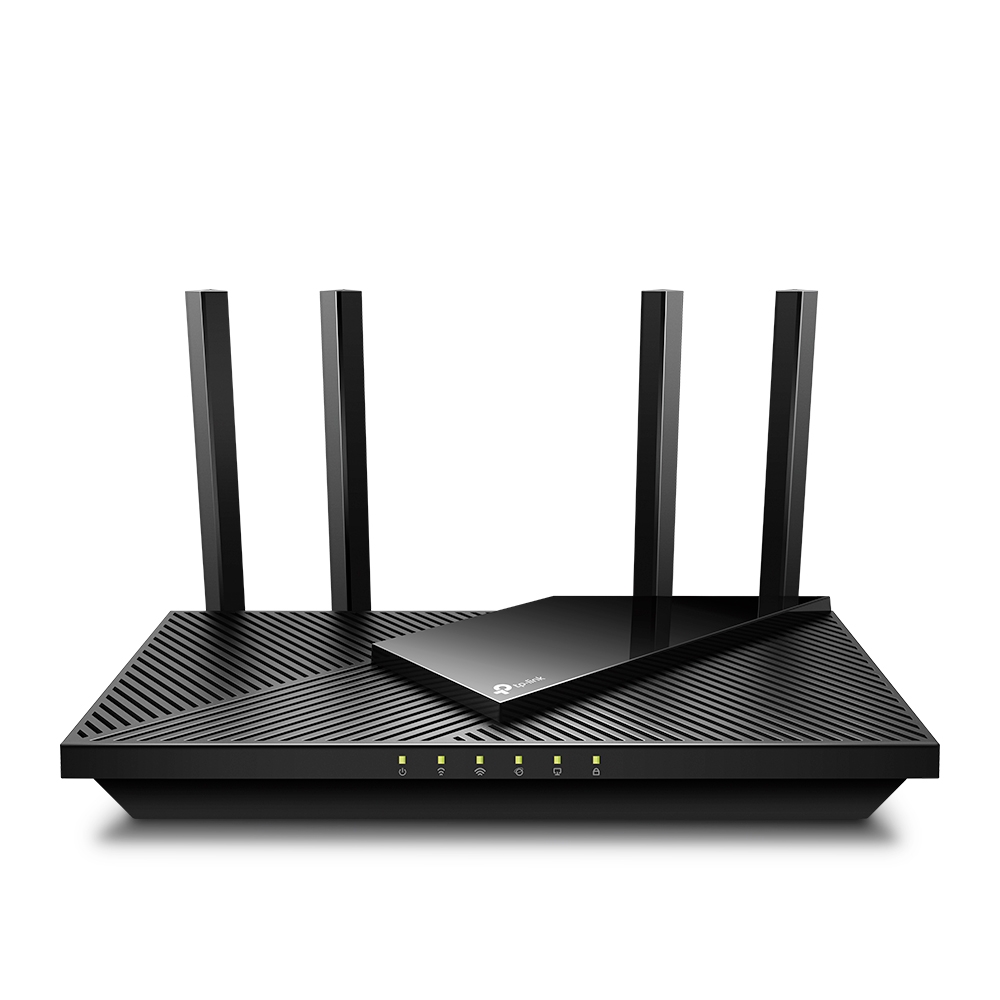
- This router model was used to break into US military and government networks - This router model was specifically weaponized to infiltrate US military and government networks. The same firmware architecture runs on devices in people's homes.
- An attacker on the internet could silently take control of your home network - An attacker anywhere on the internet could take silent control of your network - intercepting banking logins, rerouting your browsing, or recruiting your router into attacks on others.
- A US ban could cut off firmware updates with little warning, leaving this router permanently exposed - A US government ban or forced sale could cut off firmware updates with little warning. Once that happens, this router is permanently unprotected.
- TP-Link is legally required to share your network data with the Chinese government if asked - The manufacturer is legally required to share your network data with the Chinese government if asked. This isn't theoretical - it's a legal obligation that can't be refused.
This router has documented security problems. Every device on this network - your work laptop, banking app, Ring camera, smart lock - is running at higher risk than it should be.
An F is not a warning - it’s a finding that the router has been independently flagged for security or supply-chain concerns serious enough to warrant action.
-
This router model was used to break into US military and government networks
This router model was specifically weaponized to infiltrate US military and government networks. The same firmware architecture runs on devices in people's homes.
Show technical detail
FBI confirmed: this router was used in a Chinese state hacking operation: Chinese state hackers (Volt Typhoon) built a botnet using TP-Link routers to infiltrate US military, government, and infrastructure networks. The FBI disrupted this botnet in January 2024. This model family was specifically named.
-
An attacker on the internet could silently take control of your home network
An attacker anywhere on the internet could take silent control of your network - intercepting banking logins, rerouting your browsing, or recruiting your router into attacks on others.
Show technical detail
A stranger can remotely take control of your router: A 9.8/10 severity flaw allowed anyone on the internet to run their own code on your router without a password. It was actively exploited before a patch was available.
-
A US ban could cut off firmware updates with little warning, leaving this router permanently exposed
A US government ban or forced sale could cut off firmware updates with little warning. Once that happens, this router is permanently unprotected.
Show technical detail
The US government is investigating this company and may force a ban: The US Department of Justice and FCC opened formal investigations into TP-Link in 2024. A forced sale or outright ban is being considered.
-
TP-Link is legally required to share your network data with the Chinese government if asked
The manufacturer is legally required to share your network data with the Chinese government if asked. This isn't theoretical - it's a legal obligation that can't be refused.
Show technical detail
Chinese law requires this company to share data with the government on demand: Chinese law legally requires companies like TP-Link to cooperate with intelligence requests. This structural risk applies regardless of current behavior.
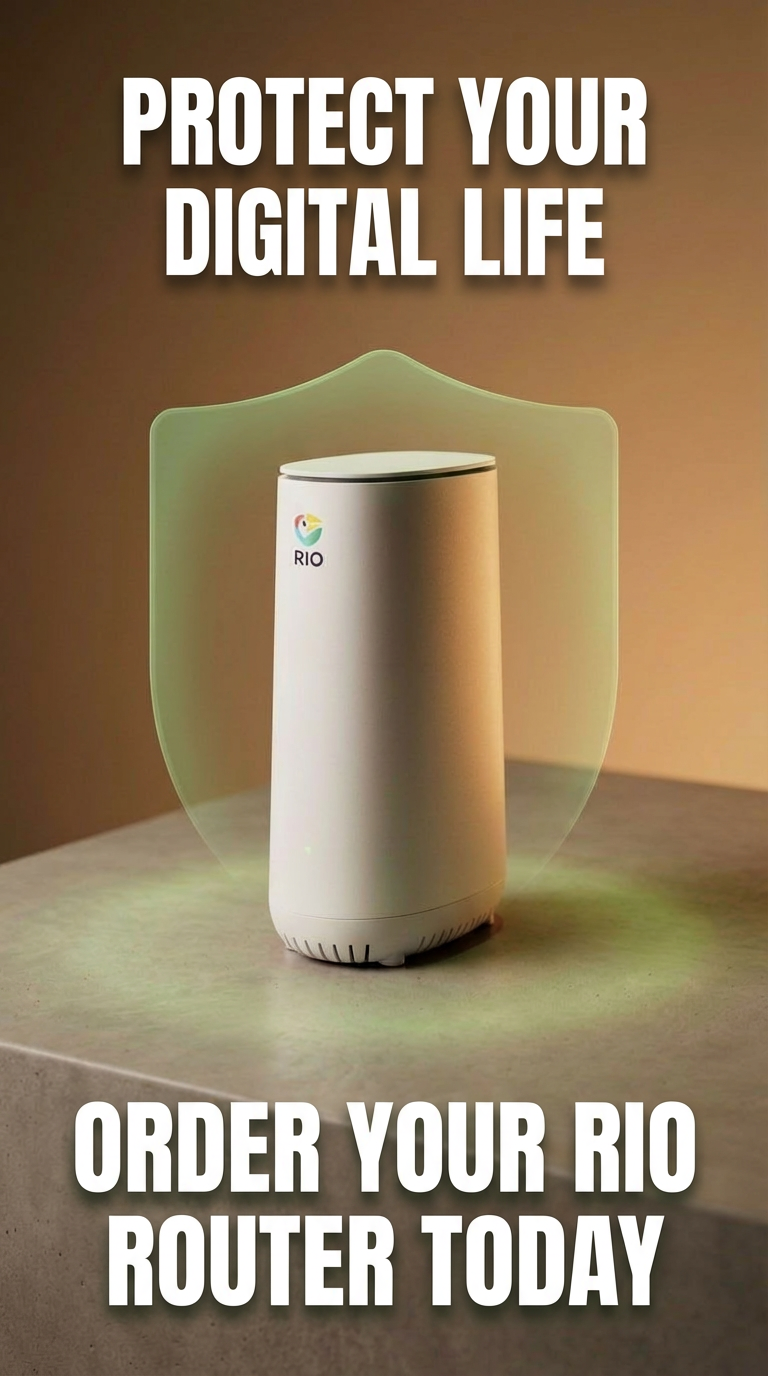
An A-rated alternative is shown below.
We'll email you if a new vulnerability hits your TP-Link Archer AX21. One email per incident. No spam.
- CISA Advisory AA23-144A · 2023 ↗
- CVE-2023-1389 · CVSS 9.8 · NVD ↗
- DOJ/FCC Investigation · 2024–present ↗
- China National Intelligence Law · 2017 ↗
- FCC Equipment Authorization Database ↗
- FCC Covered List · National Security Designation ↗