- Anyone who phishes your Google password also gets control of your home network - Anyone who phishes your Google password also gets your router. Email, photos, calendar, and home network all sit behind one login - and Google's account-recovery loop runs through phone numbers and email you may also be checking on this same Wi-Fi.
- Google logs which sites every device on your Wi-Fi connects to throughout the day - Google logs which sites your work laptop, your kids' tablets, and your smart speakers connect to throughout the day. That data feeds ad targeting, AI training, and any future government data request Google receives for your account.
- Your Wi-Fi password can be captured by anyone within range of your home - Wi-Fi 5 uses WPA2 encryption, which has a known weakness (KRACK) that can let attackers near your home capture your Wi-Fi password. WPA3 fixes this and is supported on newer routers.
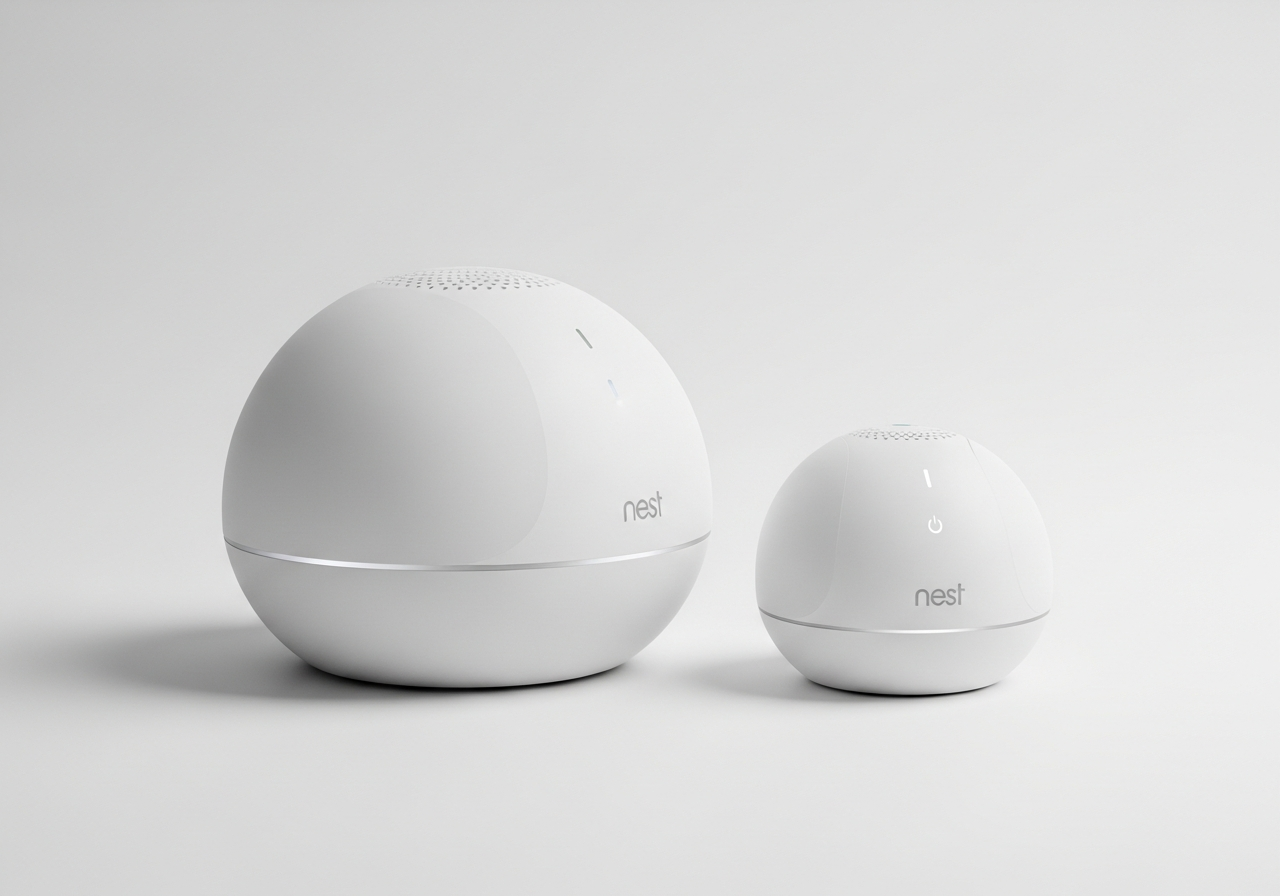
This router gets the basics right, but the gaps are significant. The Nest WiFi is managed entirely through your Google account. If any device on your Wi-Fi gets infected - a kid’s tablet, a smart bulb, a guest’s phone - it can reach your work laptop and banking app on the same flat network.
A C grade is not a sign-off. It means there are real, exploitable issues affecting this network every day.
-
Anyone who phishes your Google password also gets control of your home network
Anyone who phishes your Google password also gets your router. Email, photos, calendar, and home network all sit behind one login - and Google's account-recovery loop runs through phone numbers and email you may also be checking on this same Wi-Fi.
Show technical detail
Google account = router access: The Nest WiFi is managed entirely through your Google account. A compromised Google account means router access. Enable 2-factor authentication now.
-
Google logs which sites every device on your Wi-Fi connects to throughout the day
Google logs which sites your work laptop, your kids' tablets, and your smart speakers connect to throughout the day. That data feeds ad targeting, AI training, and any future government data request Google receives for your account.
Show technical detail
Google network metadata: Google collects network usage data from Nest WiFi. This is documented in the Google Privacy Policy.
-
Your Wi-Fi password can be captured by anyone within range of your home
Wi-Fi 5 uses WPA2 encryption, which has a known weakness (KRACK) that can let attackers near your home capture your Wi-Fi password. WPA3 fixes this and is supported on newer routers.
Show technical detail
Wi-Fi 5 - aging performance: The original Nest WiFi is Wi-Fi 5. Fully supported, but considers upgrading to Nest WiFi Pro for Wi-Fi 6E performance.
If a new vulnerability is found for your Google Nest WiFi, we'll email you. One email per incident. No spam.